Local Angle: Historic Manors and Gardens Near Bath for a Day Trip
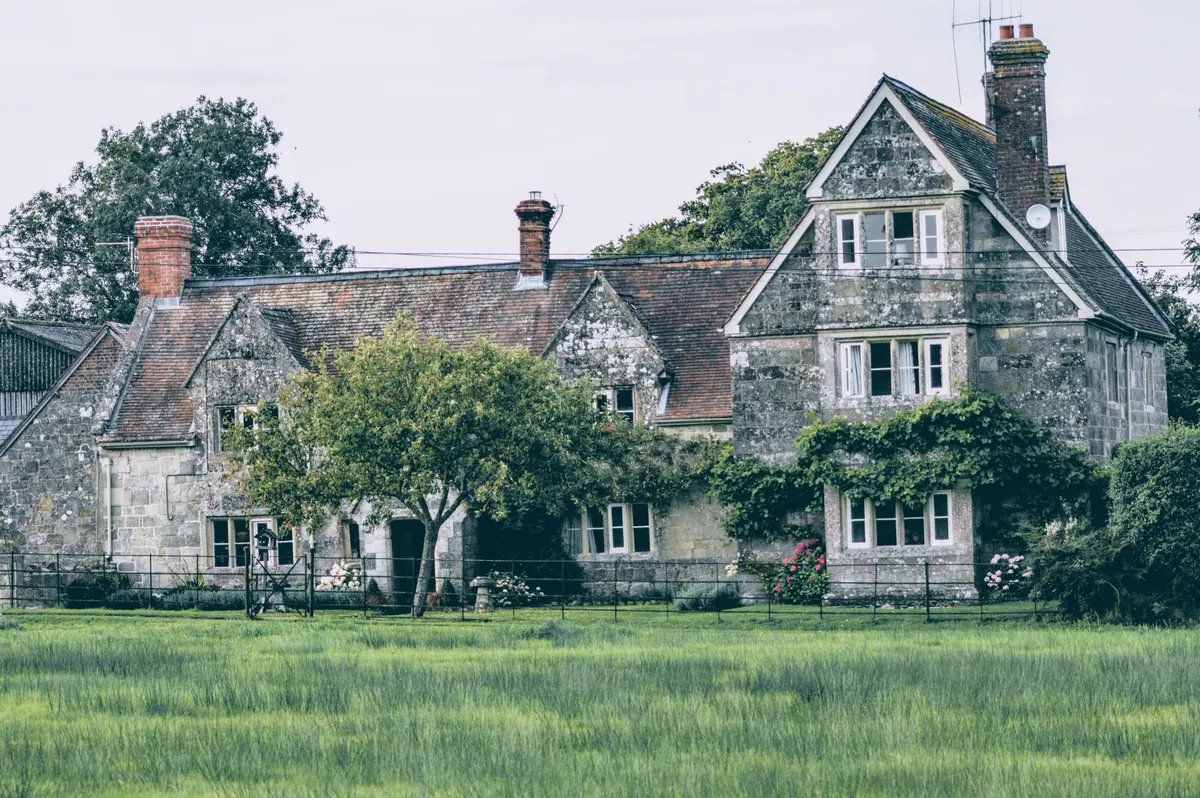
Bath is easy to love from the inside. What catches visitors out is how quickly the city runs out. One minute you are threading past a hen party on North Parade, the next you are in beech woods with a deer park on the far side of the hedge. Half a dozen manor houses and gardens worth a whole afternoon sit within roughly half an hour's drive of the abbey, and the trick is to pair one house with one garden and a decent lunch rather than chasing four stops before teatime.
Start in the City: Prior Park and the American Museum
Before you spend any fuel, note that Bath keeps two manor-scale gardens inside its own boundary. Prior Park Landscape Garden, laid out in the eighteenth century for Ralph Allen, folds down a steep valley towards the city and gives you the Palladian bridge, a lake, and one of the best views back towards the abbey. The car park is tiny and the approach is genuinely steep, so most people walk up from the centre or take the seasonal shuttle bus.
The American Museum & Gardens sits in a handsome manor house on Claverton Down, with period rooms of American furniture and folk art and gardens that drop away towards the Limpley Stoke valley. Opening is seasonal rather than year-round, so check the calendar before you build a day around it.
West: Iford Manor, Westwood and Bradford-on-Avon
Iford Manor, just outside Bradford-on-Avon, is the connoisseur's stop on this list. Harold Peto spent decades turning a hillside above the River Frome into an Italianate garden of terraces, steps, statues and quiet corners, with the medieval hall of the house sitting at the bottom of it all. The garden opens on selected days only, and it is small — an hour and a half is enough, and a good one. If you would rather leave the car behind, Avoncliff station is a short walk away along the canal.
Westwood Manor is a National Trust property of a different scale: a compact stone house with fine plasterwork, a tiny chapel and a garden of clipped evergreens. It opens on limited days, often only in the afternoon, which makes it a natural pairing with Iford rather than a day in itself.
Finish in Bradford-on-Avon. The Saxon church of St Lawrence, the enormous fourteenth-century tithe barn at Barton Farm, and the weir by the packhorse bridge are all within a short walk of each other, and the town has enough cafés and pubs to make lunch easy. This is the most satisfying short day out of the lot.
East: Lacock, Great Chalfield and The Courts
Lacock is the headline act and everyone knows it. The whole village belongs to the National Trust, the abbey cloisters are famous, and the photography museum commemorates William Henry Fox Talbot, who worked here. Go at opening time. By eleven in summer the main street is a slow-moving queue.
Great Chalfield Manor, a few miles away near Melksham, is the opposite experience: a moated, gabled house with a garden of rooms and a medieval church next door, usually shown by guided tour on selected afternoons. Numbers are limited, so book ahead in the school holidays.
Then there is The Courts Garden at Holt, a formal twentieth-century garden with topiary, a water garden and a lily pond that fills a summer afternoon nicely. Any two of these three make a full day; all three is greedy.
North: Dyrham Park and Corsham Court
Dyrham Park, a few minutes off the M4, is a baroque house on a grand scale, built for the civil servant William Blathwayt and set in a deer park of several hundred acres. Fallow deer graze between you and the house, the water garden is formal and calm, and the walk down from the car park is steep enough that the shuttle is worth knowing about. Iford's garden is bigger than Dyrham's, but Dyrham's parkland is the better walk.
Corsham Court is still a family home, with a Capability Brown park and a picture gallery holding works collected on the Grand Tour. It opens on very few days each year, so treat it as a bonus rather than a plan. The town itself is worth an hour, not least for the peacocks that wander the streets.
South: Stourhead, the Long Day
Stourhead is roughly an hour south of Bath and deserves more time than most people give it. The eighteenth-century landscape garden is a two-mile circuit around a lake, punctuated by a Pantheon, a grotto and a string of classical temples placed for the view. The house is a separate stop. In autumn the trees are the reason to come, and the car park fills early; in spring the rhododendrons do the work.
Making the Day Work
A little forward planning turns a pleasant drive into a good day out. The single biggest mistake is assuming that a house and its garden keep the same hours — gardens are usually open far more often than the buildings.
- Check opening days, not just opening times. Several places above open only two or three days a week, and some only between spring and early autumn.
- Book house tours and timed entry in advance during school holidays. Great Chalfield and Corsham Court sell out rather than get busy.
- Arrive for opening. Lacock, Stourhead and Dyrham all have car parks that are comfortable at nine-thirty and frustrating by eleven.
- Wear shoes with grip. Terrace steps, gravel paths and the Stourhead circuit are uneven, and the Prior Park path down to the bridge is steep.
- Book lunch or carry it. Manor tea rooms are small and often stop serving hot food mid-afternoon; Bradford-on-Avon, Lacock and Holt all have better options.
- Fill up in Bath. Rural petrol stations are thin on the ground, and the lanes around Iford and Great Chalfield punish optimistic fuel gauges.
- Consider membership if you plan three or four of these trips. It usually pays for itself quickly, and it removes the pressure to "get your money's worth" from any single visit.
Two stops plus lunch is the right shape for a day. Three is possible if one of them is a garden you can walk in half an hour. And if mobility is a concern, check each property's access notes before you go — the older the manor, the more stairs, gravel and uneven ground you should expect.
Photo: nuclear medicine / Pexels