Manor Wedding Venue Checklist: 15 Questions to Ask Before You Book
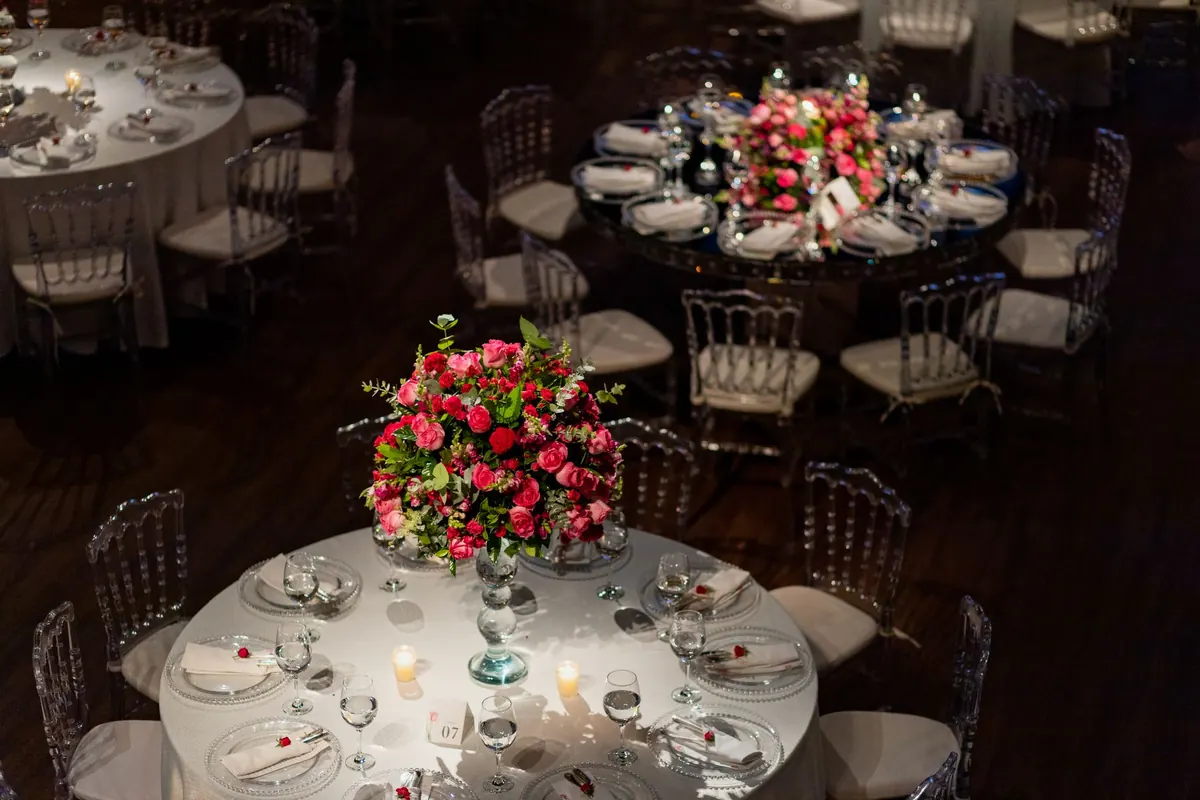
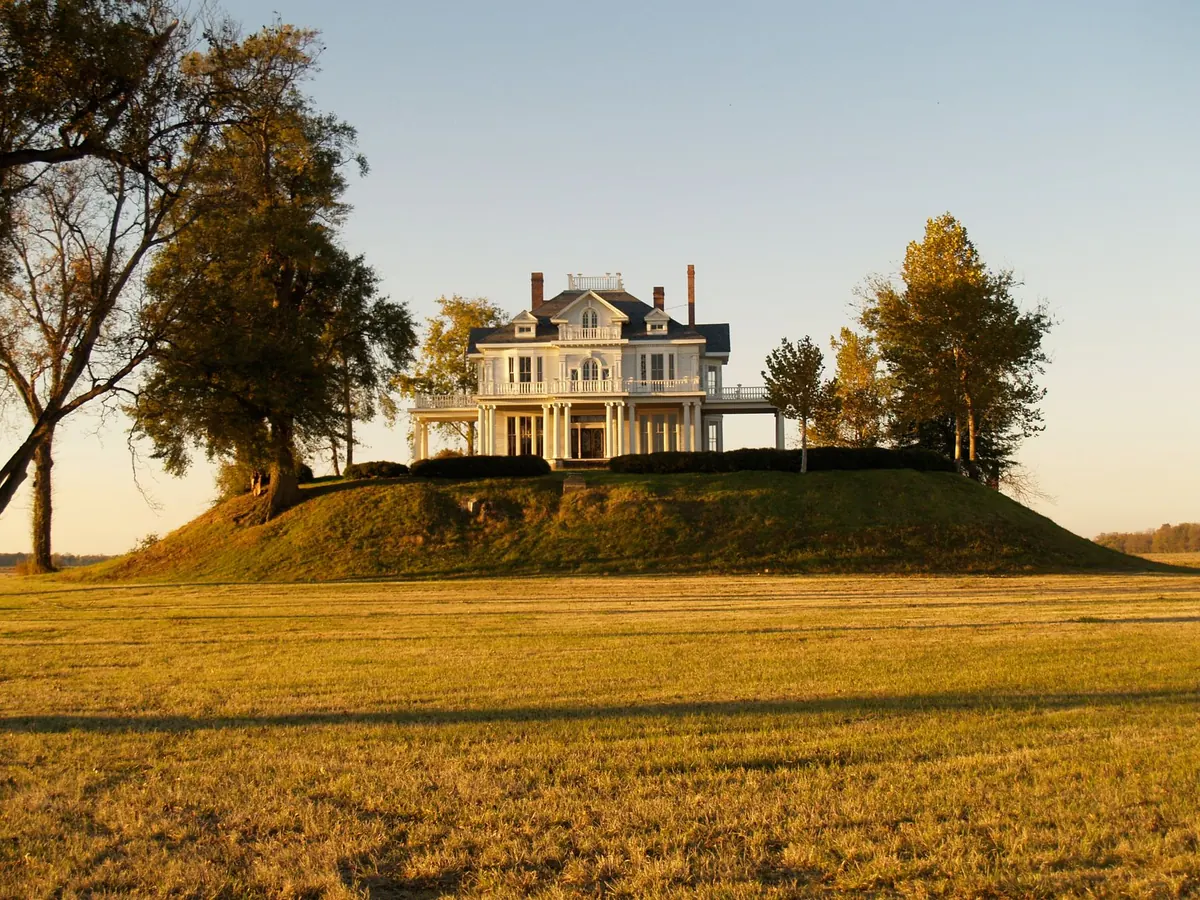
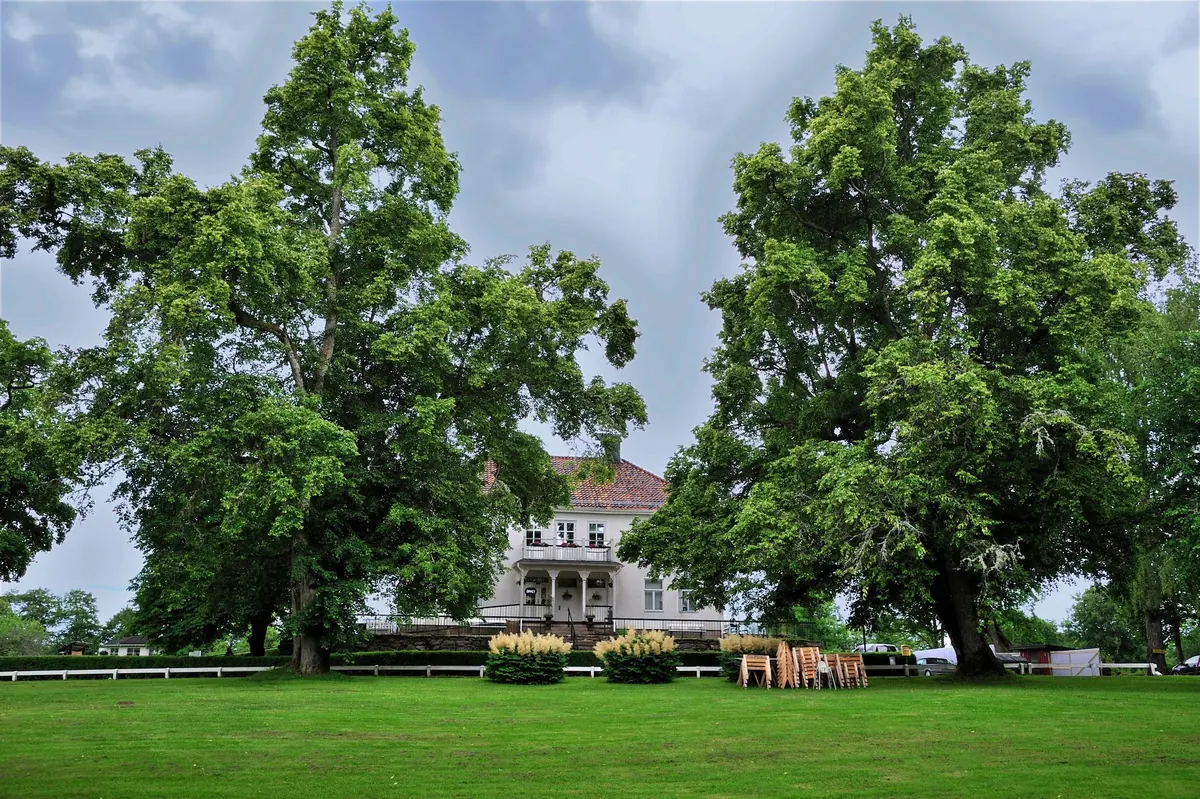
A manor house sells itself in the first thirty seconds: the sweep of gravel, the cedar on the lawn, the long room where you can already picture the speeches. What it will not tell you is whether 120 guests can actually sit down to dinner in that room, or where everyone goes when it rains at four o'clock. Those answers come from questions, asked early and asked while you are standing in the space itself.
Take a list to every viewing and write the answers down on the spot. By the third manor, everything blurs. What follows is the checklist worth carrying, plus the follow-ups that separate a beautiful venue from a workable one.
Start With Numbers, Not Atmosphere
Ask for the seated dinner capacity of the exact room you would use, not the venue's headline figure. Those larger numbers often come from a standing reception, or from a marquee that has since been taken down. The useful version of the question is: how many can you seat at round tables of ten, with a dance floor, a bar and space for the band?
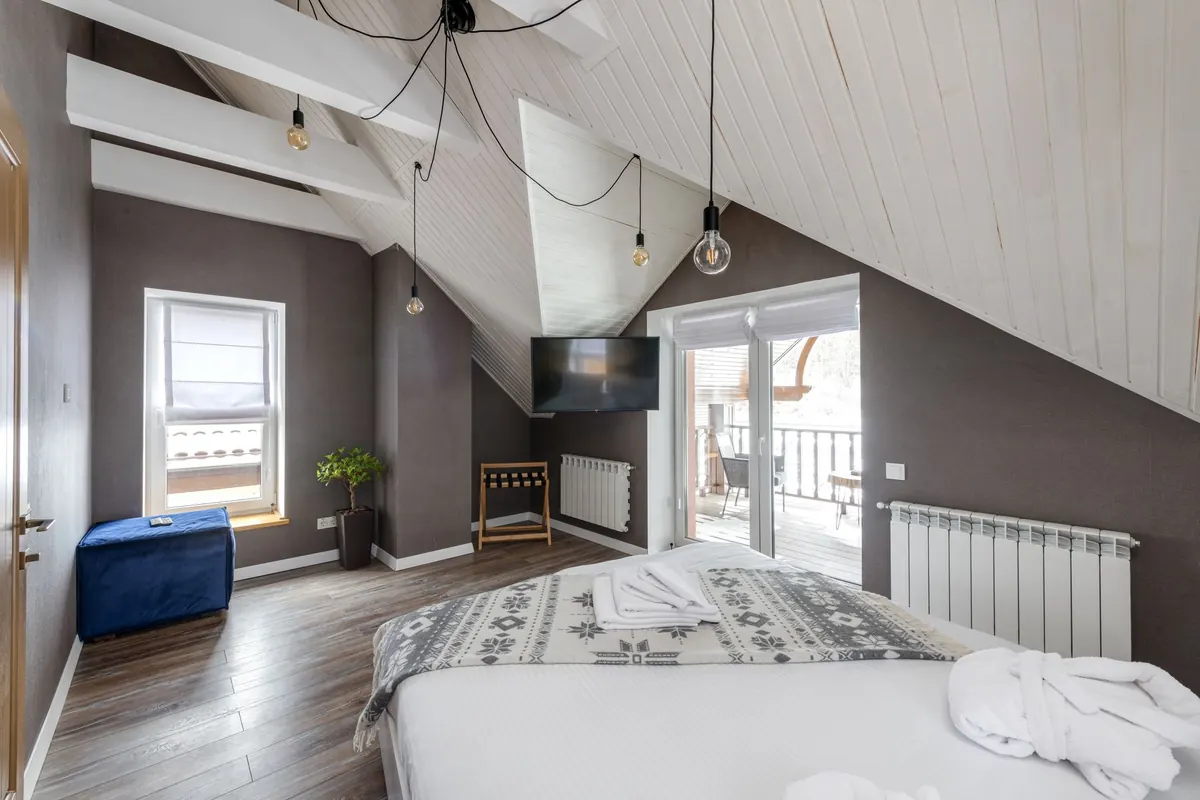
Then walk the layout rather than admiring it. Where does the top table go? Can guests reach the toilets without crossing the dance floor? Where will people gather for drinks while staff turn the ceremony room around? A good coordinator will sketch the plan for you. Ask for that sketch by email with your guest number written on it, so you are both working from the same picture. And if a chunk of your list is travelling, ask how many bedrooms the manor has and where the overflow would stay.
The Wet-Weather Plan
Every manor has a garden. Not every manor has a plan for the afternoon the sky opens. Ask where the ceremony moves indoors and how many it seats there; it is often fewer than the outdoor setting allows. If the answer involves a marquee, find out who decides when it goes up, who pays for it, and whether heating is included.
Then think about the short walk between buildings — gravel, grass, a stone terrace with no cover. Ask whether umbrellas are kept on site, whether there is a covered route for older guests, and where photographs would happen inside. If the answer is "the staircase", ask to see the light on that staircase at the hour you would be using it. A grand hall can photograph beautifully at noon and turn into a dark tunnel by five.
Catering: Who Cooks, and Where?
Some manors have a kitchen brigade of their own, others work with a short list of approved caterers, and a few allow anyone at all provided they can cook in a historic kitchen without tripping a fuse. Find out which applies before you fall in love with a caterer.
- Is catering in-house only, or can we bring our own?
- What kitchen space, power, water and refrigeration will our caterer have, and from what time?
- Is there a corkage charge if we supply the wine?
- Are there fees for cake cutting, late-night food or staff working past midnight?
- How are dietary requirements handled, and when do you need final numbers?
Ask to taste the food, and ask who will be on site on the day. A named person, not "the team", is what you want to hear.
Noise, Curfews and the Neighbours
Music ends before the party does, and that gap catches people out. Ask for the exact time amplified music must stop, whether a live band is allowed, and whether a sound limiter is fitted. A limiter is not a dealbreaker, but a band that trips it mid-set is a miserable surprise, so ask how it behaves in practice and who monitors it.
Then cover the rest: fireworks, confetti, outdoor speeches, and the licensed hours for alcohol. If you want an extra hour, ask what it costs and how far ahead it must be arranged. Finally, ask whether the owners live on site. You will want to know.
Accessibility, Parking and the Journey Home
Walk the route your least mobile guest will take, from the car park to the ceremony chair and on to the nearest toilet. Gravel, thresholds and long corridors all matter. Ask directly: is the ground floor step-free? Are there accessible toilets? Is there a hearing loop? Where is the closest drop-off point to the door?
Parking is the next quiet problem. How many spaces are there, and are they reserved or first-come? Can a coach reach the entrance, or is the lane too narrow? Then work out how guests get home. Taxis in rural areas can be scarce late at night, so ask which local firms the venue uses and whether they can be pre-booked. If most of your guests are staying elsewhere, note the drive between the two before you commit.
Contracts, Costs and the Small Print
Ask for the total in writing: hire fee, service charge, staffing, any minimum spend, and what happens if your numbers change. Check whether you have exclusive use of the house and grounds, or whether another wedding is booked that weekend. A shared courtyard is not what most couples picture when they book a manor.
Read the cancellation and postponement terms before you pay a deposit, and ask what insurance the venue holds and what you are expected to arrange. Access times matter too: when can you and your suppliers get in the day before, and when must everything be cleared by? For anything with a large non-refundable deposit or a lengthy contract, it is worth having a solicitor read the terms before you sign
Photo: Matheus Bertelli / Pexels